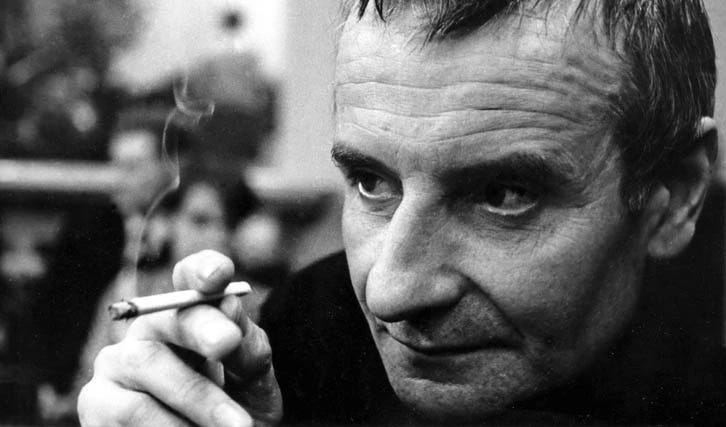
Thoughts on the role of the critic
from Lindsay Anderson
The person I feel most in tune with about the goals and practice of art criticism is Lindsay Anderson (who also has made some truly wonderful films). I have quoted him here before on the subject, but here is another excellent passage from a 1963 interview conducted by John Russell Taylor. It conveys a lot about how I envision the role of the critic and what I hope my criticism may aspire to. (I only hope that I am a less obnoxious person than Anderson was…but I also have grave doubts about that.)
One can imagine criticism so perceptive and illuminating that it can also illuminate for the artist, show him what he has been doing, and tell him truths about himself he did not see. But in practice one seems to know the faults and virtues of what one has done more clearly than the people who criticize it. Perhaps this is because critics judge too much, and interpret too little. When thinking about criticism I always recall the remark by Charlotte Brontë in her introduction to the edition of Wuthering Heights published after Emily’s death. She talked of the critics who, when the book appeared, had immediately assumed she had written it; and she mentioned one critic who did perceive the essentially original quality of the novel. A true critic, she says, who was able to interpret “the Mene Mene Tekel Upharsin of an original mind.” This, I think, conveys admirably the essential function of the critic. Judgments after all are not so very interesting: they usually tell us more about the judge than about the work. But a critic who can see something new and original (and maybe perplexing to most people as a result), and who has the intelligence and culture to be able to interpret it, to reveal its true nature—this is as valuable as it is rare.
…
I wished to affirm my belief in the dignity of criticism, for the critic should be more than a parasite. He should be a whole man just as much as anyone else; and so of course his moral and social beliefs must affect his judgments. To pretend that one can, or should, eliminate these aspects of oneself in assessing a work of art can only lead to an impoverishment of criticism.