The Small Back Room
1949
This Powell and Pressburger film has much in common with their ecstatic A Canterbury Tale. Like the Glue Man, the so-called A plot (about a baffling new German explosive device that is killing civilians) takes more than a backseat for most of the movie. Instead, it is a sort of pretense or crucible through which the characters are revealed and tested and refined.
Of course, this movie does eventually come down to a thrilling seventeen-minute bomb defusing scene. (Really, the editing and the way one man’s monologue bounces between voices make this a masterful passage that embodies both the narrative and emotional conflicts in a shockingly effective way!)
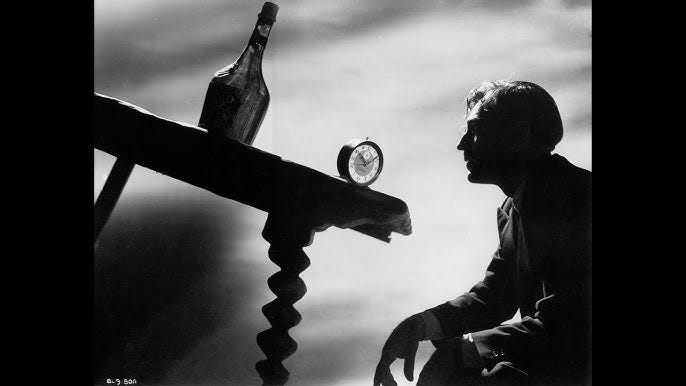
Also of note is the addict’s fever dream. I respect this film for dealing honestly with the nature and severity of addiction. It’s a brilliant—and very unexpected—scene, and it does more for my addict heart than any marathon of “addiction films.” When addiction is your entire plot, it is inevitably romanticized to some extent (or flattened out or pushed into melodrama…).
This WWII movie had the advantage of being made directly after the war. Thus, unlike P&P’s 49th Parallel, propaganda is blissfully absent, allowing complexity of emotional, motivational, and morale-based reactions to the reality of wartime. Even the drudgery is brought to life, especially in the scene where different groups debate the merits of a new armament.
The Small Back Room of the title refers to several crucial locations of conflict: the scientists’ cramped lab, the protagonist’s meager apartment, the painfully crowded barroom, and ultimately the main character’s brain. (Thanks to Nick James for that last insight.) Because the movie isn’t about whether the device will explode. That scene takes place on the singularly expansive Chesil Beach. No, the explosion we truly fear is that between lovers, between coworkers, between the military and scientific communities, between a man and a bottle, and ultimately between our leading man’s ears.
All of those relationships are beautifully conveyed in all their difficulty and intricacy. And yet they converge—and climax—on the wide beachfront. The sudden movement from an hour and a half of claustrophobic London rooms to a bright and open natural landscape is itself a kind of explosion.
My one issue with the film is the last line of dialogue, in which the protagonist’s girlfriend tells him to “have a drink” with the air of a solution and resolution, when we have watched him heroically fight and fall in the bottle battle throughout the movie. If anyone can help me reconcile that moment, please do.