

Spider-Man: Brand New Day
2026

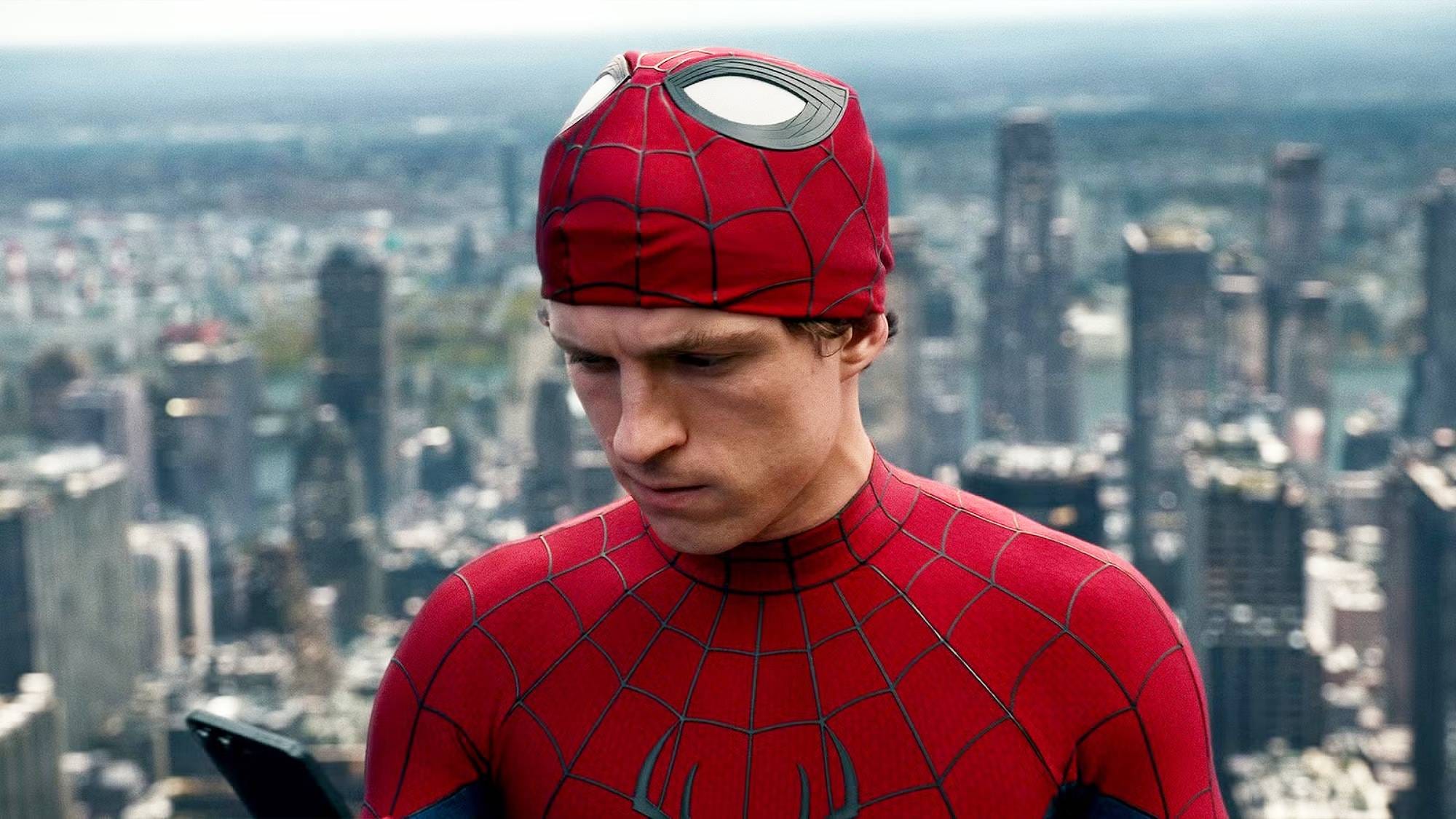
Fairly or not, Martin Scorsese has become the poster child for the “comic book movies are killing cinema” argument. If he lived somewhere like I do, where there are two movie theatres an hour away with perpetually empty parking lots, he might see this as proof. But, to be certain, he would also immediately notice that those same parking lots are suddenly overflowing. Why? The most recent comic book movie, Spider-Man: Brand New Day, just had the biggest domestic opening in history, making $1,000,000,000 in only six days. Most movies (Is it spiteful to point out that Scorsese’s films are among the widely ignored “old” cinema around here?) never reach that box office milestone at all. In fact, only sixty-six movies have ever made that much in their entire runs. Moneymaking is certainly not the measure of good cinema, but it is what keeps the myopic producers in Hollywood greenlighting new films. And those overflowing parking lots have swollen my heart this week, especially in a time when many people think of whatever happens to be on Netflix as the canon of film and seldom think to go to a cinema.
The question is, then, “Is the film any good?” Yeah. It is. It’s not as good as the last Spider-Man film (No Way Home), but it is a solid moviegoing experience.
In Spider-Man: No Way Home, the titular hero caused a spell to be cast that made everyone forget that he was really Peter Parker. This included his girlfriend, MJ, and his best friend, Ned. It is only fitting, then, that this next chapter deals heavily with questions of knowing oneself and others and the ethics of making choices on behalf of those others without their input.
First, though, we get a look at the Spider-Man everyone loves, but whom Marvel Studios was consciously withholding until now: the quippy lone hero who swings through the canyons of the NYC skyline, foiling supervillains and earning the near-universal praise of the public. (Although I reject a Peter Parker—and a Tom Holland—with such a muscle-bulky build. It just looks wrong, as much as the film likes to show it off.) During this segment, years pass and MJ and Ned graduate from MIT and move back to New York. In the meantime, we’re treated to wonderfully perfect stagings of some of Spider-Man’s most iconic comic book covers—which is pure geek candy! Then the plot complications kick in (which I will do my best not to reveal), and the film starts in earnest.
Even though Parker is universally forgotten, Spider-Man is remembered, and this film keeps him very much connected to the broader MCU, especially by including the Punisher and the Hulk as a motley supporting cast. The dynamic between these characters is great, and Peter’s pining for his peer group is the very stuff Spider-Man stories are made of. (Is this honestly “not the cinema of human beings trying to convey emotional, psychological experiences to another human being,” Scorsese?) This story is also made of a mysterious antagonist who can hijack the bodies of others. (Full points for thematic unity, since you never know who is behind the face speaking to you, and the intruder recklessly plays with the very bodies and lives of innocent people, making life-changing decisions they have no control over.) Meanwhile, Peter is becoming an adult—in more ways than one. His spider powers have started to change, and he feels that he has no control over the changes this creates in his life and no longer “knows” himself. (There are those themes again.)
I am truly impressed by the way the film chooses and handles those themes. I also love seeing Peter, MJ, and Ned as young adults. The things that have changed during this formative time in their lives and the things that remain the same are realistically portrayed. And I like them all better now that they aren’t awkward teenagers.
Of course—given the film’s themes—it also involves a government agency whose true nature is hard to know, given how they feel free to make big decisions for others. I do think that the final permutation of these themes could have been handled better, though. Becoming aware of people’s motivating circumstances (“knowing them”) does not absolve them of their crimes (the decisions they’ve made for others)—especially crimes so heinously invasive and selfish.
The structure of the film is uncommon. It basically wraps up the usual three acts of a film before unveiling a fourth act. I don’t have strong feelings about this either way, but it is a rare thing in any type of cinema, be it Spider-Man or Scorsese.
I am left honestly longing for more stories about these characters (and satisfied with the emotional moments they are given here).